The most expensive software is the spreadsheet everyone keeps using.
That one spreadsheet has served as planner, database and report for years. It feels free, but the real cost is hidden. Here is how to make the move to bespoke software without losing the grip you feel today.
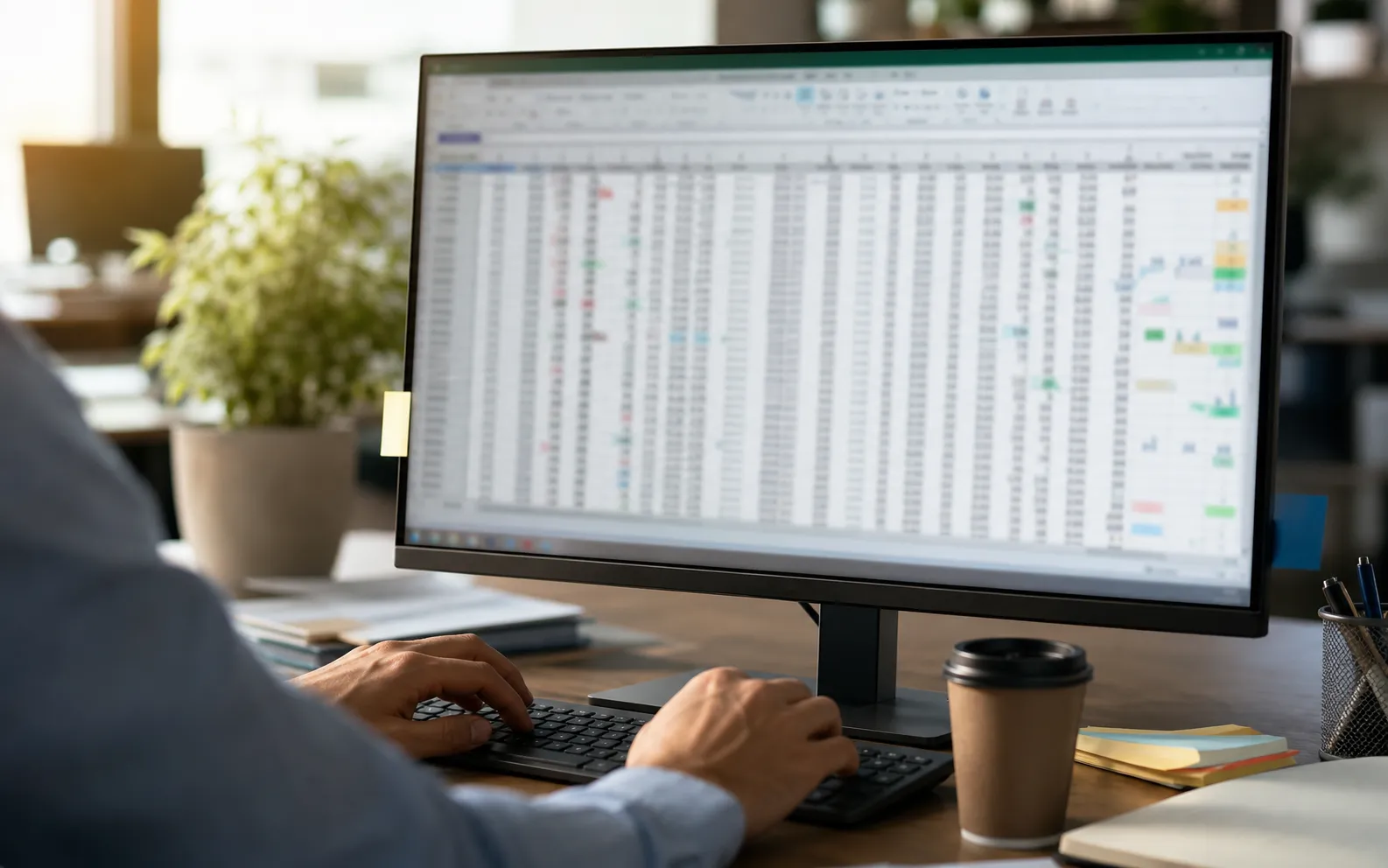
Every company has one. That one file that started as a simple list and has since grown into the beating heart of a department. It holds the schedule, customer details, prices, a bit of bookkeeping, and a tab nobody dares touch any more. It works. It costs nothing. And that is exactly where the problem sits.
Because free it is not. The cost is just well hidden.
The hidden bill
A spreadsheet feels cheap because no invoice comes with it. But you pay the real price every week, in time and in risk:
- Someone copies figures from one tab to another, and occasionally makes a mistake that only surfaces weeks later.
- Two people work in different versions, and nobody knows any more which one is right.
- The knowledge of how it all fits together sits in one person's head. If they go, the process stops.
These are not dramatic incidents. They are small leaks. But together they cost you more hours, more mistakes and more stress than a considered solution ever would.
Why nobody switches
The reason the file stays is understandable. It works, after all, everyone knows it, and a new system feels like a risk. What if it is less flexible? What if the team does not use it? What if we get stuck with a tool that does not do what we want?
Those are fair concerns. And that is exactly why the question is not whether you need something new, but whether you can make the move without losing the grip you feel in that file today.
Bespoke software is not interesting because it is new. It is interesting because it does what your business actually needs, and nothing more than that.
From a file to something that grows with you
The strength of bespoke software is that it starts from how you already work, and not from how an off-the-shelf package thinks you ought to work. That also makes the move less daunting than it looks.
Start with the most painful tab
You do not have to replace everything at once. Pick the part that causes the most mistakes or frustration, and solve that first. That way you see results quickly and confidence builds on its own.
Keep it understandable and transferable
Good software shows what it does and why. The logic that used to sit in somebody's head becomes visible and transferable. If someone leaves, the process does not stop.
Stay the owner
The goal is not for you to become dependent on a supplier, but for you to get more grip on your own processes. Connected to your existing systems, measurable in results, and yours.
The real question
So the question is not: can that spreadsheet stay? It can stay as long as it returns more than it costs. The honest exercise is working out what it really costs you today, in time, in mistakes and in risk. That number is usually worth the conversation on its own.